
What sintering is
Sintering is a manufacturing process that bonds powder particles into a solid component by applying heat and, in some methods, pressure. In industrial terms, that matters because sintering can produce parts that are close to final shape, efficient to manufacture in volume and capable of meeting demanding mechanical requirements when material selection and process control are aligned.
It is especially valuable when a component must combine metal properties with repeatability, low material waste and geometry that would be expensive to machine from bar or plate. Together with Gelecta Finland, these kinds of powder-based manufacturing routes for industrial components can be evaluated already at the early design stage to support scalable and commercially viable serial production.
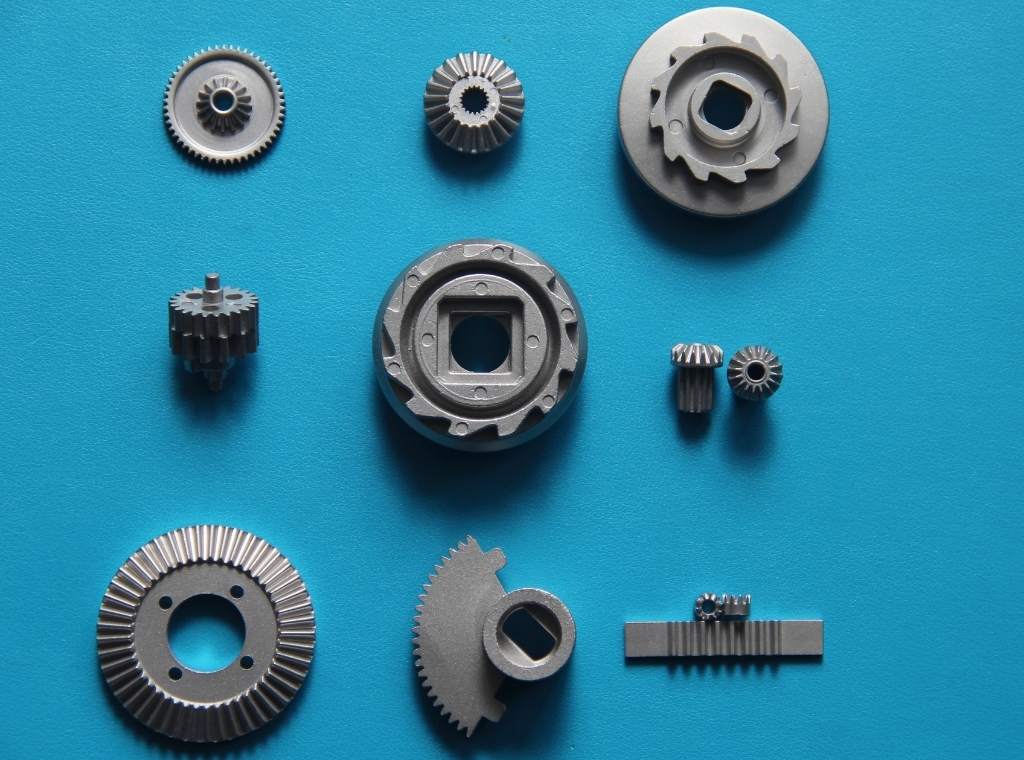
Sintering is a family of processes, not a single route
In practice, sintering is not one single manufacturing method. It is a family of powder-based routes that includes conventional press-and-sinter powder metallurgy, metal injection molding and, in more specialized cases, advanced processes such as hot isostatic pressing or spark plasma sintering.
That is why engineers should treat sintering less as a buzzword and more as a process-selection framework. The right route depends on the material, geometry, density requirements, tolerances, annual volume and the cost of secondary operations.
For Gelecta Finland, the most relevant question is usually practical and commercial: can a powder-based manufacturing route produce the required mechanical performance, quality and total cost more effectively than machining, casting, plastic injection molding or additive manufacturing?
These factors should be reviewed early to identify the most suitable production route before tooling, sourcing or serial production decisions are locked.
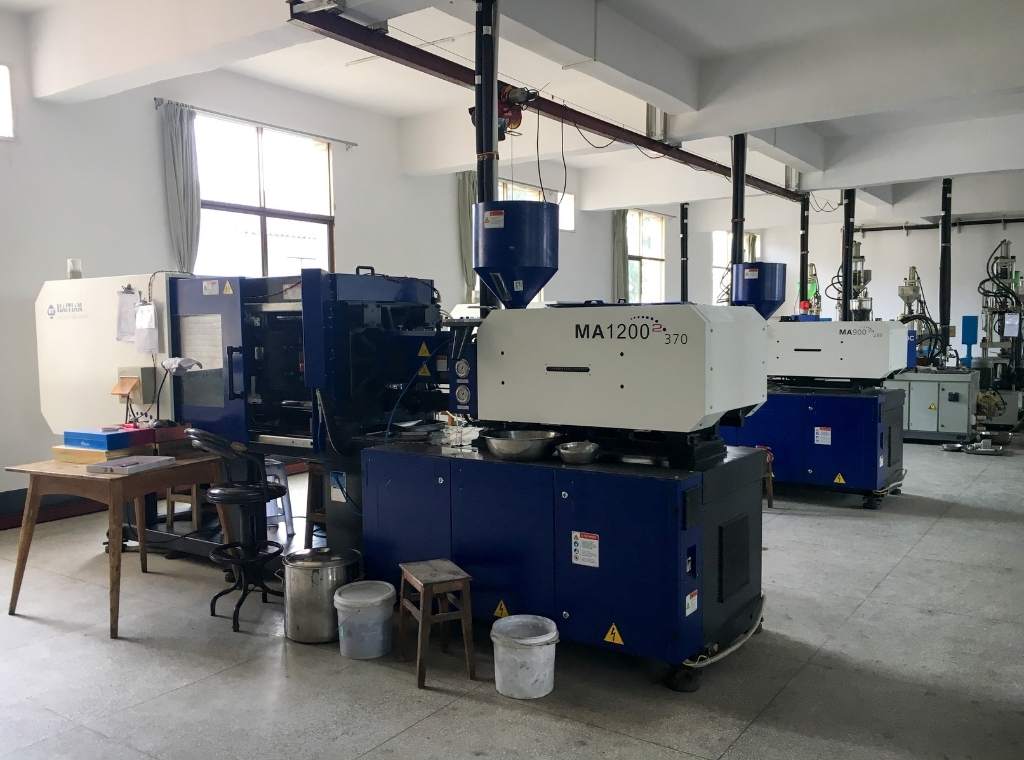
Press-and-sinter for serial production
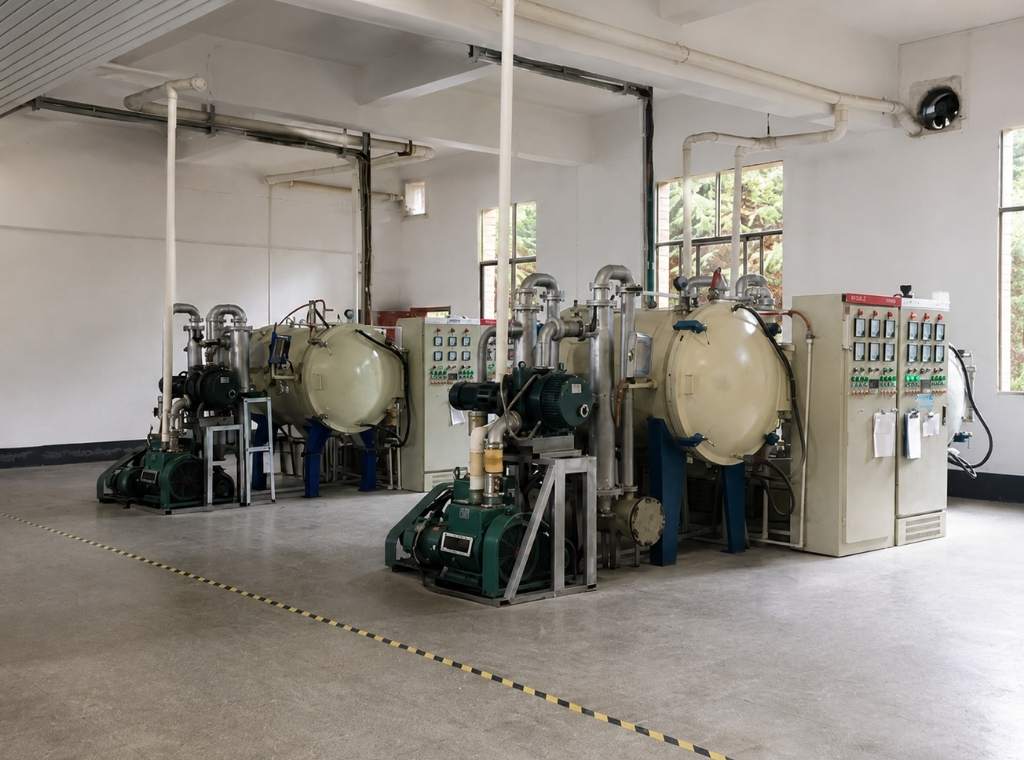
The most established industrial option is press-and-sinter. Powder is compacted in a rigid die and then heated in a controlled-atmosphere furnace to bond the particles metallurgically. For steel components, sintering temperatures around 1120 °C are common, with higher-temperature variants used when improved density or mechanical performance is required.
This route is usually strongest when annual volumes are meaningful, the part geometry is compatible with rigid tooling and the commercial priority is stable serial production at competitive total cost. It remains a proven fit for gears, sprockets, carriers, pump components, bushings and other structural or load-bearing parts.
These are the types of industrial production cases where we can support early design-for-manufacturing review, supplier evaluation and total-cost comparison before tooling or serial production decisions are made.
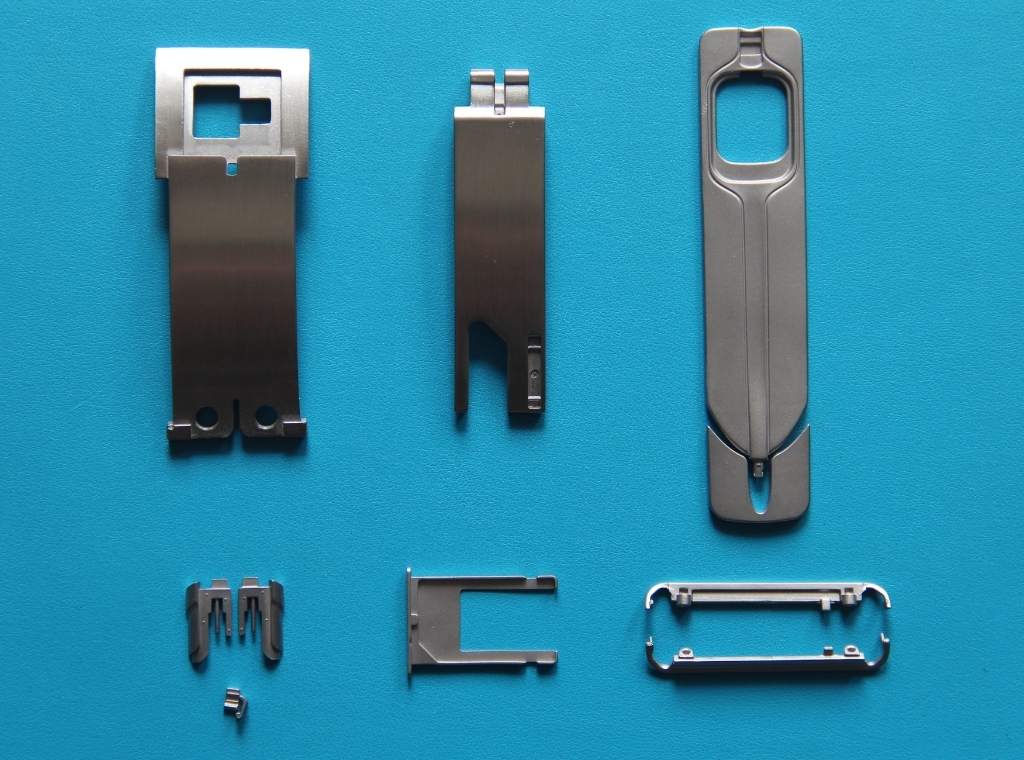
Metal injection molding for smaller, more complex parts
Metal injection molding, or MIM, extends sintering toward smaller and more intricate metal components. Fine metal powder is mixed with a binder, molded in a tool, debound and then sintered to high density. The result is a process that combines high design freedom with good repeatability and dimensional control in serial production.
MIM can become the better option when a part would otherwise require extensive machining, multiple assembled features or geometry that is difficult to produce cost-effectively with conventional methods. It is widely used for precision components in medical devices, electronics, automotive applications and industrial equipment.
At the same time, MIM is not automatically the best powder-metallurgical route. If a part can be produced efficiently by conventional pressing and sintering, MIM may add unnecessary tooling, material and process cost. In these situations, working together with Gelecta can help determine where MIM genuinely creates value and where simpler powder-metallurgical routes, machining, casting or other manufacturing methods are commercially stronger.
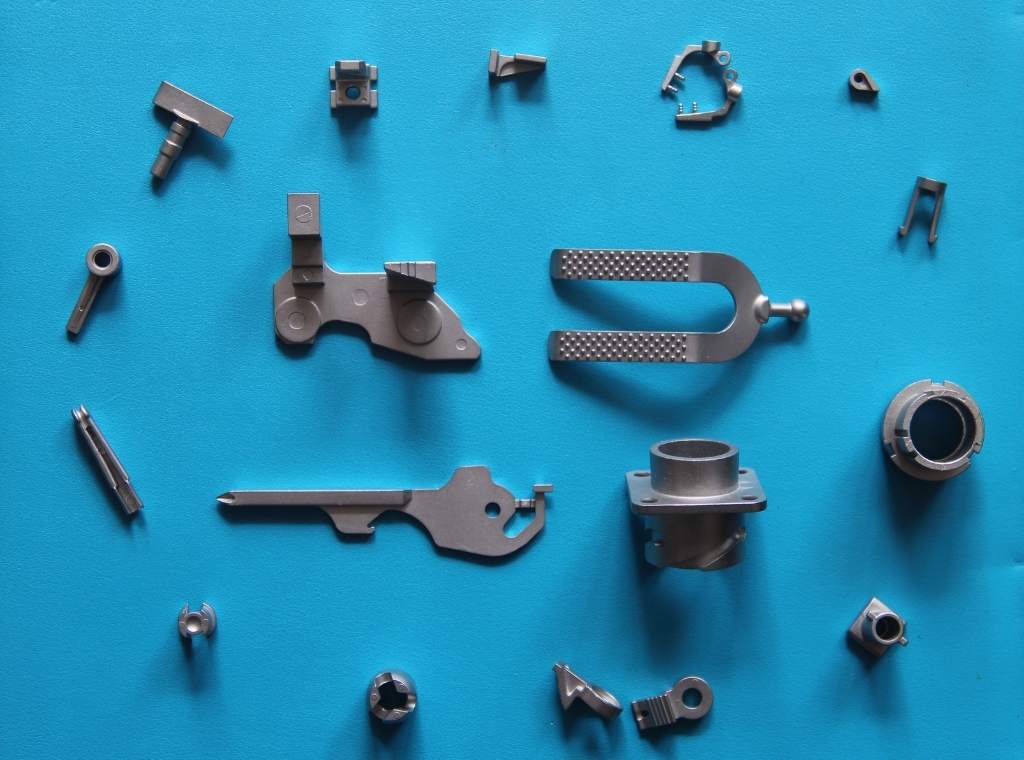
Materials commonly used in sintering
Material choice is central to the business case. Ferrous powders remain the foundation of many high-volume structural sintering applications because they suit gears, sprockets, carriers, pump components, bushings and other load-bearing industrial parts. Stainless steels and selected alloy materials become relevant when corrosion resistance, wear resistance, heat resistance or specific mechanical performance is required.
For industrial customers, the key question is not material selection alone. The right decision depends on the combination of material, geometry, tolerances, production volume and total cost. This is where early design-for-manufacturing review can help identify whether sintering, MIM or another manufacturing route is the right fit.
Industrial applications in Europe and the Nordics
Sintering remains relevant across industrial manufacturing because it supports repeatable geometry, efficient material use and stable serial production. Sintered gears, planetary carriers, bushings and other power transmission components are good examples of applications where dimensional consistency and production efficiency are important.
In the Nordic market, the topic is especially relevant because Finland’s industrial landscape is closely tied to machinery, metals, mining, energy systems and advanced manufacturing. These are sectors where material performance, reliable supply chains and commercially viable production routes matter.
A clear Finnish example of powder-based manufacturing is Neorem Magnets, which produces sintered NdFeB permanent magnets and magnet pole elements in Finland for large electric motors and generators, especially in renewable-energy applications. While this is a different product category from Gelecta’s typical mechanical component focus, it shows that powder-based technologies already have a concrete industrial role in the Finnish market.
For Gelecta, the most relevant connection is in mechanical and industrial components where sintering, MIM or related powder-based processes can offer design freedom, wear resistance, material efficiency or a commercially viable route to serial production.
Quality, sustainability and process control
Sintering also aligns well with current sustainability priorities. Powder metallurgy is generally associated with near-net-shape production, efficient raw-material use and reduced need for machining when compared with many subtractive manufacturing routes. That does not mean every sintered part is automatically the most sustainable option, but it does mean the process often starts from a strong resource-efficiency position.
The case can become stronger when recycled or circular raw materials are technically suitable for the application. Recent Finnish research, for example, has shown that reclaimed cemented-carbide scrap can be processed into powder feedstock for sintering and related manufacturing routes while still delivering application-relevant material performance.
Quality control remains the make-or-break issue. Powder characteristics, density distribution, furnace atmosphere, shrinkage behavior and secondary operations all influence the final result. In conventional press-and-sinter production, sizing or coining may be needed when tighter dimensions are required. In MIM, typical dimensional tolerances around ±0.3% are often achievable, but critical features may still require machining or other secondary operations.
For mechanical and structural parts, porosity must be managed carefully against strength, fatigue resistance and dimensional requirements. In some applications, such as filters or self-lubricating components, porosity can be an intentional functional feature. The commercial lesson is simple: sintering works best when design, material choice, tolerances, quality controls and production volumes are aligned early.
This is where Gelecta can support industrial customers by connecting manufacturability, sourcing, supplier selection and production planning before critical decisions are locked in.
Where sintering and MIM fit among other manufacturing methods
Compared with plastic injection molding, sintering becomes relevant when the application requires metal properties rather than thermoplastic performance. Injection molding remains the workhorse for high-volume plastic parts because it offers excellent scale economics, repeatability and low material waste.
Within sintering-based technologies, metal injection molding is especially relevant when the part requires metal properties, complex geometry and repeatable serial production without relying heavily on machining. MIM is typically considered for small and medium-sized metal components where conventional machining would be costly, slow or restrictive from a design perspective.
Compared with 3D printing, conventional sintering and MIM often have an advantage in serial efficiency, repeatability and part cost once the geometry and demand are stable. Additive manufacturing is stronger for low-volume complexity, prototypes, fast design changes and digital spare parts. Binder jetting sits between these worlds: it is an additive powder-based process, but still relies on debinding and sintering to reach final material properties.
This comparison should be made from both technical and total-cost perspectives before committing to tooling, supplier selection or serial production.
When to involve a manufacturing partner
The practical takeaway is straightforward. If a component is expected to move into recurring production, and if it combines demanding function with cost pressure, sintering and MIM should be evaluated early among the possible manufacturing routes.
The best outcomes usually come when engineering, sourcing and manufacturing review the part together before tolerances, material requirements, density targets and finishing routes are locked. That is often where unnecessary machining, avoidable assemblies and preventable tooling compromises can still be removed.
This type of early-stage manufacturability review can help customers compare technical feasibility, supplier capability and total cost before production decisions are finalized.
Contact us
If you are evaluating sintering, MIM, machining, casting or additive manufacturing for a new component, involve a manufacturing partner before the geometry is fixed. A short design and manufacturability review can help clarify the right process, reduce unnecessary cost and improve the path to reliable series production.
Together with Gelecta Finland, you can review the technical feasibility, supplier options and total-cost impact before committing to tooling or production.