
Injection molding is a high-volume manufacturing process for plastic parts. In this method, thermoplastic resin pellets are heated to a molten state and injected under pressure into a precision metal mold. After cooling and solidification, the part is ejected from the mold. Although injection molding requires an upfront investment in tooling (mold) fabrication, it delivers a low cost per piece and very low material waste at scale. This makes it ideal for industries ranging from medical devices and consumer goods to automotive components.
Injection molding encompasses several variants. Thermoplastic injection molding (using plastics like ABS, polypropylene, polycarbonate, nylon, etc.) is the most common type. Other processes include liquid silicone rubber (LSR) molding (for elastomeric parts), overmolding (combining two or more materials into one part), and insert molding (encapsulating metal inserts). Gelecta’s expertise even extends to metal injection molding (MIM) for complex metal parts: MIM combines the design freedom of plastics with the strength of metal, enabling cost-efficient production of small, intricate metal components.
Design and Materials Considerations
Successful injection-molded parts require careful design for manufacturability. To support this process, Gelecta’s quotations always include high-quality DFM and Moldflow reports at no additional cost. These reports help evaluate manufacturability, mold performance, material flow, and potential risk areas before the actual mold manufacturing process begins. Key guidelines include:
- Uniform wall thickness: Keep wall sections consistent to avoid sink marks and warpage. For example, maintain each wall at about 40–60% of the thickness of adjacent walls.
- Draft angles: Add a slight taper (typically 1–2°) to vertical walls so the part can easily release from the mold.
- Reduce undercuts: Minimize features that lock into the mold; if needed, use side-action slides.
- Gate placement: Design gates (injection points) and runners to fill the cavity evenly. Common gate types (e.g. tab, pin, hot-tip) are chosen based on part size and cosmetic requirements.
Modern injection molding can achieve tight tolerances (e.g. ±0.08 mm) and high repeatability, but designers must account for resin shrinkage, cooling, and gate vestiges during early product development.
Materials selection is equally crucial. Common plastics (ABS, PP, PS, PC, POM, Nylon, etc.) offer a range of strength, flexibility, and thermal properties. For example, polycarbonate (PC) is very strong and transparent, polypropylene (PP) is economical and chemical-resistant (and recyclable), and nylon (polyamide) provides wear resistance and can be glass-filled for extra strength. Gelecta works with a wide material palette – from clear, FDA-grade plastics to engineering polymers – and even uses metal powders in MIM when a part requires metal-level strength.
Sustainability is an emerging priority in injection molding. Because injection molding is already efficient (low scrap and energy use per part), companies further reduce environmental impact by adopting greener practices. For example, manufacturers install energy-efficient machines (such as all-electric or hybrid injection presses) and optimize plant energy usage. Many also use recycled or bio-based resins: switching to post-consumer PET or bio-plastics cuts reliance on virgin fossil fuels. These eco-friendly strategies not only reduce carbon footprint but often lower costs over time.
Gelecta’s Injection Molding Expertise
Gelecta is a Finnish sourcing and project partner specializing in the procurement and manufacturing coordination of technical plastic and metal components through an international supplier network. With +1000 injection and compression molds delivered and 25+ years of global experience, Gelecta provides a full-service injection molding solution. Their offering covers prototype and pre-series production, mold design and fabrication, full serial production, and even final assembly and packaging.
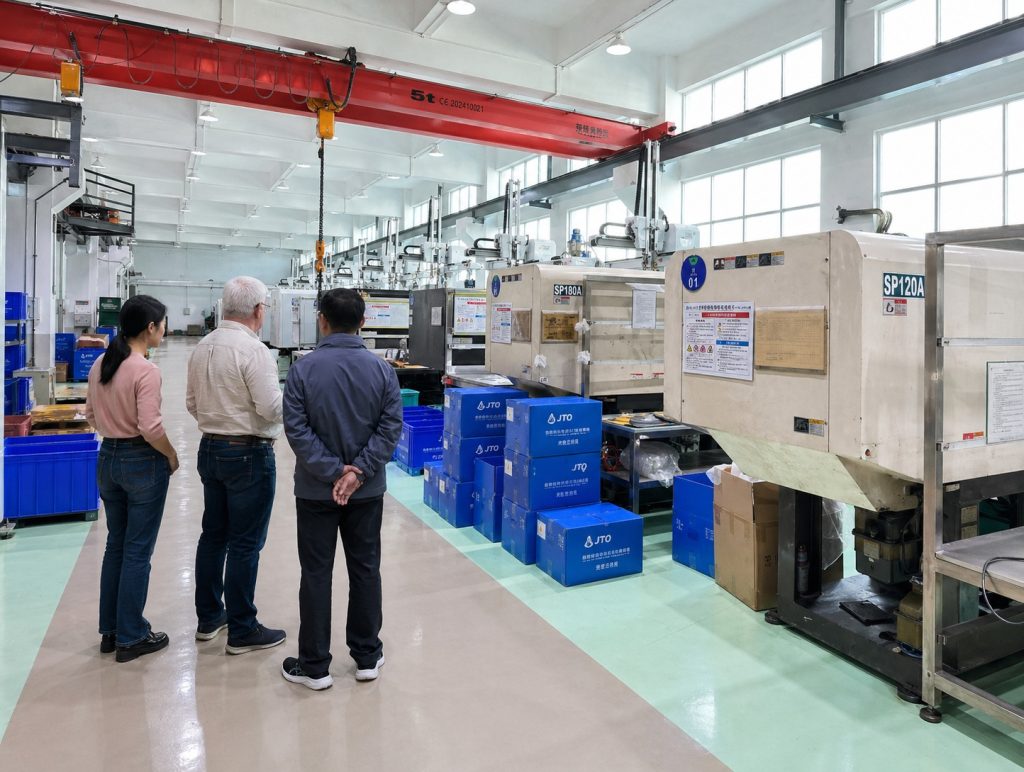
A key advantage of Gelecta is its integrated supply chain. Gelecta maintains an audited network of qualified suppliers in Asia (primarily in Shenzhen, Dongguan, Guangzhou, etc.). A dedicated Sourcing Manager in China oversees production and quality at the partner plants, enabling direct communication and rapid response to any issues. This means European customers get the benefit of lower-cost manufacturing while Gelecta ensures agreed specifications are met. Gelecta operates from Lahti, Finland, while a local Sourcing Manager in China supports projects through remote collaboration and regular presence at supplier facilities. This enables close communication between customers, Gelecta, and manufacturing partners throughout the project lifecycle.
Gelecta’s services include injection mold making (steel molds for plastic parts) and precision metal tooling (for die-cast and MIM components). To speed up development, they offer rapid tooling and prototype methods: CNC-machined and vacuum-cast parts that mimic final injection-molded parts can be delivered in a matter of days, and small-series runs (hundreds to tens of thousands of pieces) are possible with affordable steel molds. For example, vacuum casting into silicone molds lets customers evaluate form, fit, and finish well before the final injection tool is ready.
Gelecta also provides advanced support tools. Notably, their Virtual Trial Application (VTA) allows customers to monitor mold trials remotely via live video and data. Instead of flying engineers to Asia, clients can review initial sample parts online, give feedback, and even request immediate adjustments. This digital mold trial process speeds up approvals and shortens time-to-market, reducing weeks of delay. As a result, Gelecta can quickly refine mold settings and begin serial production with confidence in quality.
Quality, Certification and Trends
Injection molded parts often serve critical applications. Automotive and medical parts, for example, must meet stringent quality standards (e.g. ISO 9001, IATF 16949, or ISO 13485) even if Gelecta’s site doesn’t list them explicitly. Gelecta’s business model emphasizes quality and transparency: all processes are tracked, and customers can audit suppliers or visit production sites as needed. Many Gelecta partners hold industry certifications (ISO, UL, RoHS, REACH compliance, etc.), ensuring materials and processes meet regulatory requirements.
Looking ahead, several trends continue to shape the injection molding industry. Advances in manufacturing efficiency, quality control methods, and digital collaboration tools help improve process reliability and shorten development cycles. Gelecta’s VTA supports this development by enabling remote monitoring of mold trials, faster decision-making, and more efficient project collaboration. Another trend is multi-component molding, such as overmolding and insert molding, to add functionality or combine plastics with metals in a single component. Gelecta’s experience in both plastic and metal processes, including MIM, positions the company well for such hybrid solutions.
Finally, customization is rising: consumer products increasingly use high-quality injection-molded parts with tight aesthetics (good surface finish, precise colors). Gelecta’s Nordic design cooperation and Finnish customer interface (e.g. Kaizen, lean principles) help deliver visually demanding components and appearance-critical parts efficiently.
Partnering with Gelecta
In summary, injection molding remains the workhorse process for mass-producing plastic (and metal via MIM) parts. It offers low per-unit costs and high quality when done right. By combining that process knowledge with a strong global network, Gelecta offers companies in the Nordics, Baltics, Germany, Poland and beyond a reliable way to source those parts. Gelecta’s “end-to-end” approach – from DFM support and prototyping to mold trials and series production – ensures that customers get optimized manufacturability and supply chain efficiency.
To capitalize on these benefits, engineers and product managers can work with Gelecta early in the design phase. Gelecta’s team will advise on material selection, part geometry, and manufacturing technology (plastic injection vs. MIM vs. alternatives). During production, their sourcing and quality controls keep projects on schedule and on spec. The result is faster product launches and competitive advantage for clients.
Contact Gelecta to learn more about their injection molding and tooling services. Their experts can discuss your specific project needs – from prototype batches to full-scale production – and demonstrate how Gelecta’s digital tools (like VTA) and global partnerships ensure a smooth, cost-effective process.